Keep the player in control
Explain signing requests, show pending actions and handle wallet rejection without losing the player’s progress. Make ownership and update rules explicit.
Blockchain game development
Connect gameplay to wallets, digital assets and player-authorized updates. Decide which records need shared verification and which should remain within the game’s own systems.
A clear scope. Tangible work. A team ready for what comes next.
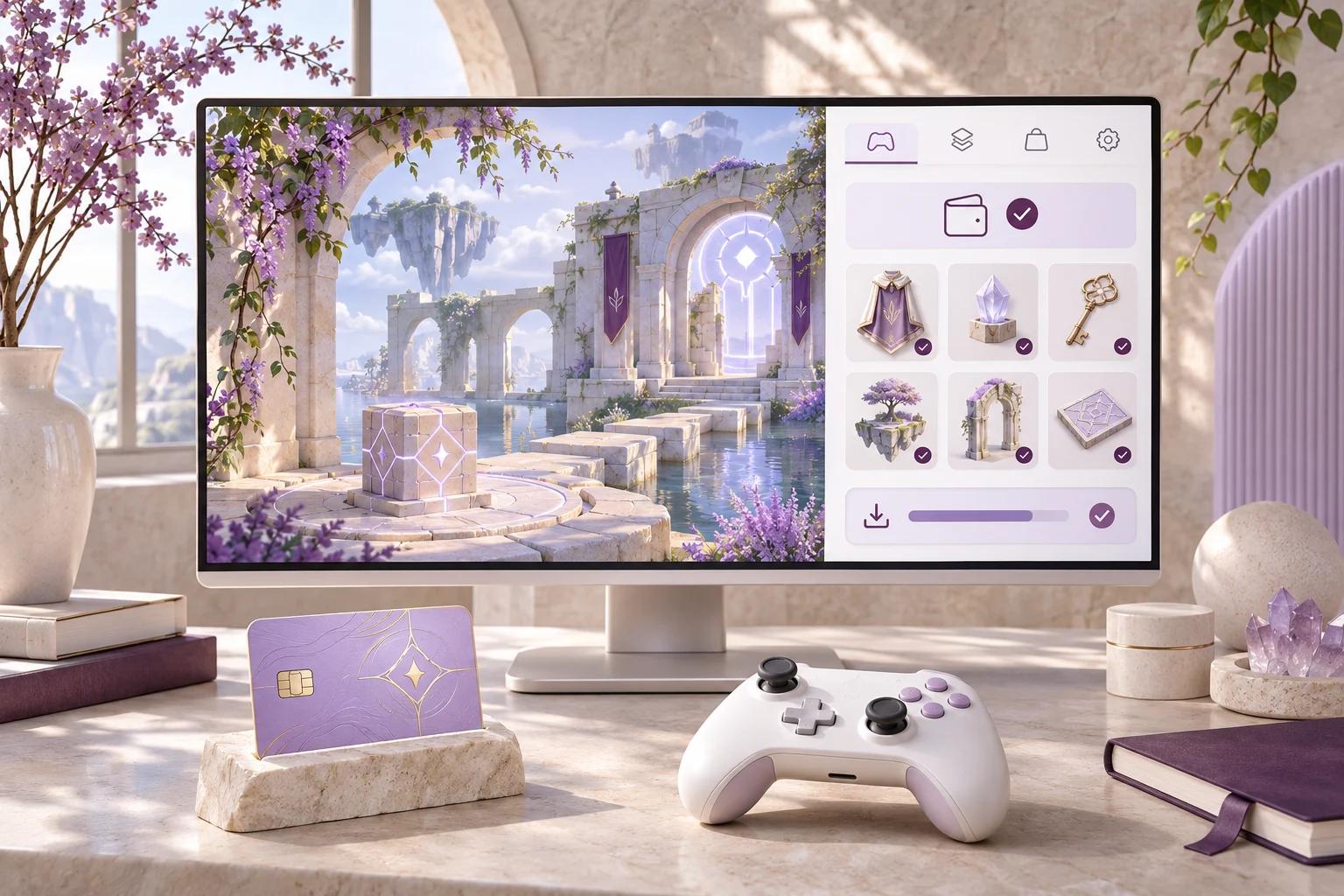
Explain signing requests, show pending actions and handle wallet rejection without losing the player’s progress. Make ownership and update rules explicit.
Choose which actions need an on-chain transaction. Account for fees, indexing delays and failed transactions when connecting the game to digital assets.
From the first question to the next release, every step has a purpose.
Define the problem, map constraints and agree on what the first release needs to prove.

Map the systems and integrations, then decide where to build, connect or reuse.

Deliver in increments, review working software and build testing and security checks into the release process.

Plan deployment, monitoring and handover before the system goes live.

Help your team operate the system, resolve issues and plan the next release.

Use shared records where ownership or verification requires them. Keep high-frequency gameplay and sensitive information in systems appropriate to those needs.
The product can be designed around player-held assets. Define the ownership, transfer and update rules and make signing requests understandable.
Keep the action’s status clear and let the player continue or retry where the game rules allow it. Avoid treating a rejected signature as a completed action.
No. Blockchain can support ownership or records without promising financial returns. The game design should explain the actual utility of each asset.
Cupcake Arcade demonstrates an NFT pass that carries player-authorized score records. Its project page describes that proof of concept.
Contact
Tell us what you’re working on and where you need engineering support.