
Define the operating conditions
Review image sources, consent and access, lighting, camera placement and the cases the system must recognize. Establish separate evaluation data and error categories.
Computer vision engineering
Develop visual inspection, object detection, document extraction or image-analysis workflows around an agreed task. Evaluate performance on representative data before expanding deployment.
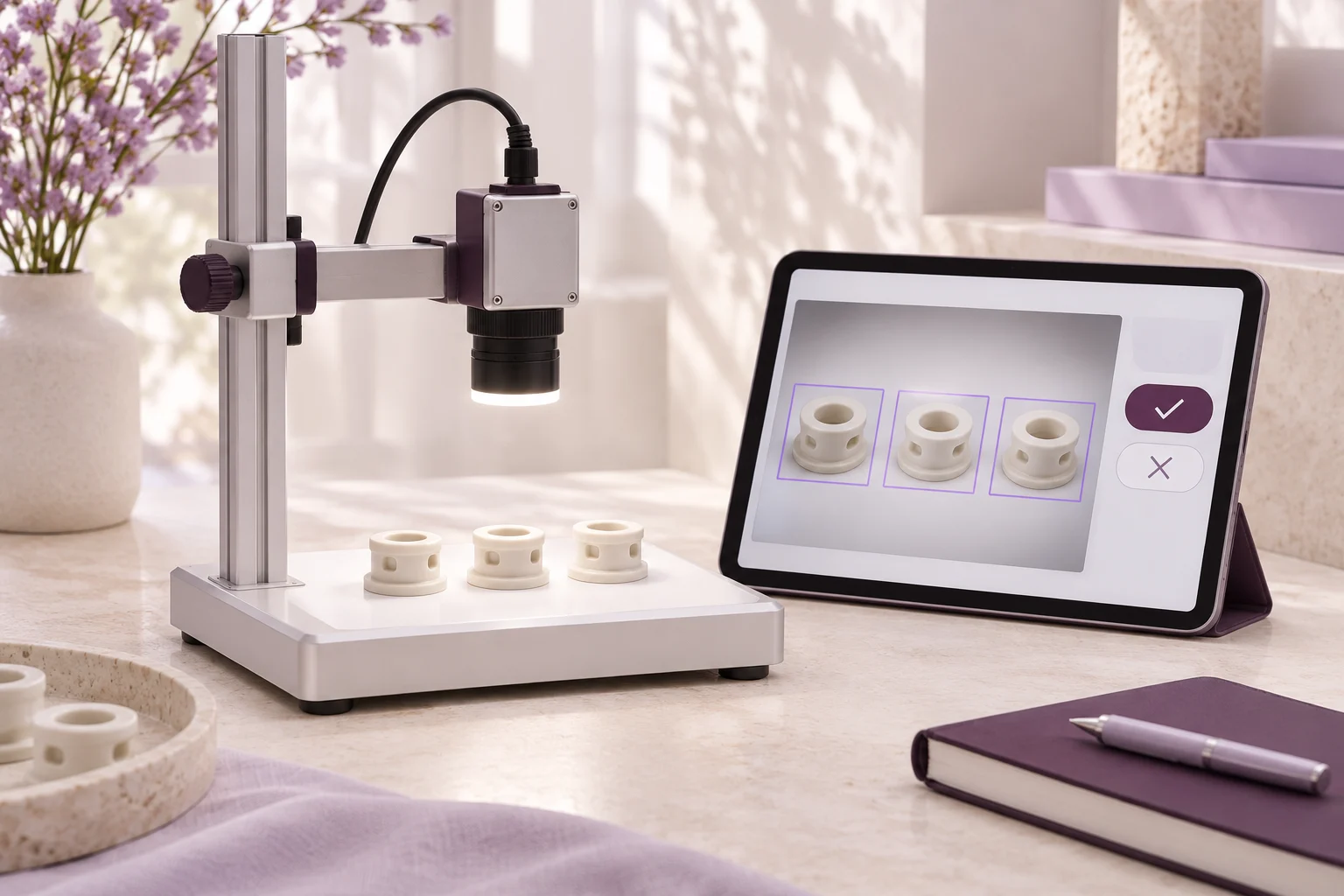
A clear scope. Tangible work. A team ready for what comes next.
Review image sources, consent and access, lighting, camera placement and the cases the system must recognize. Establish separate evaluation data and error categories.
Set confidence thresholds and a human-review path for ambiguous results. Choose edge or cloud processing based on device limits, latency and data-handling requirements.
From the first question to the next release, every step has a purpose.
Define the problem, map constraints and agree on what the first release needs to prove.

Map the systems and integrations, then decide where to build, connect or reuse.

Deliver in increments, review working software and build testing and security checks into the release process.

Plan deployment, monitoring and handover before the system goes live.

Help your team operate the system, resolve issues and plan the next release.

 AI automation
Put review before irreversible actions. Give reviewers the evidence and tool activity they need to make a decision.
AI automationChoose a workflow, define what the agent can do, and measure whether it saves work before rolling it out.
The scope can include object detection, visual inspection, document extraction or image analysis. Define the task and acceptable errors before selecting an approach.
Use representative images or video that you are authorized to process. Review coverage, annotations, access restrictions and separate evaluation data.
Measure the error types that matter to the workflow on data kept separate from development. Include difficult conditions and cases the system should send for review.
That depends on the model, hardware, latency and operating conditions. Compare edge and cloud options using a representative workload.
Define confidence thresholds and a human-review path. Preserve enough context for reviewers to correct a result and for operators to investigate failures.
Contact
Tell us what you’re working on and where you need engineering support.