
Keep systems easy to work with
Agree reusable components, scene ownership and asset conventions. Separate gameplay logic from presentation where that helps iteration and testing.
Unity development
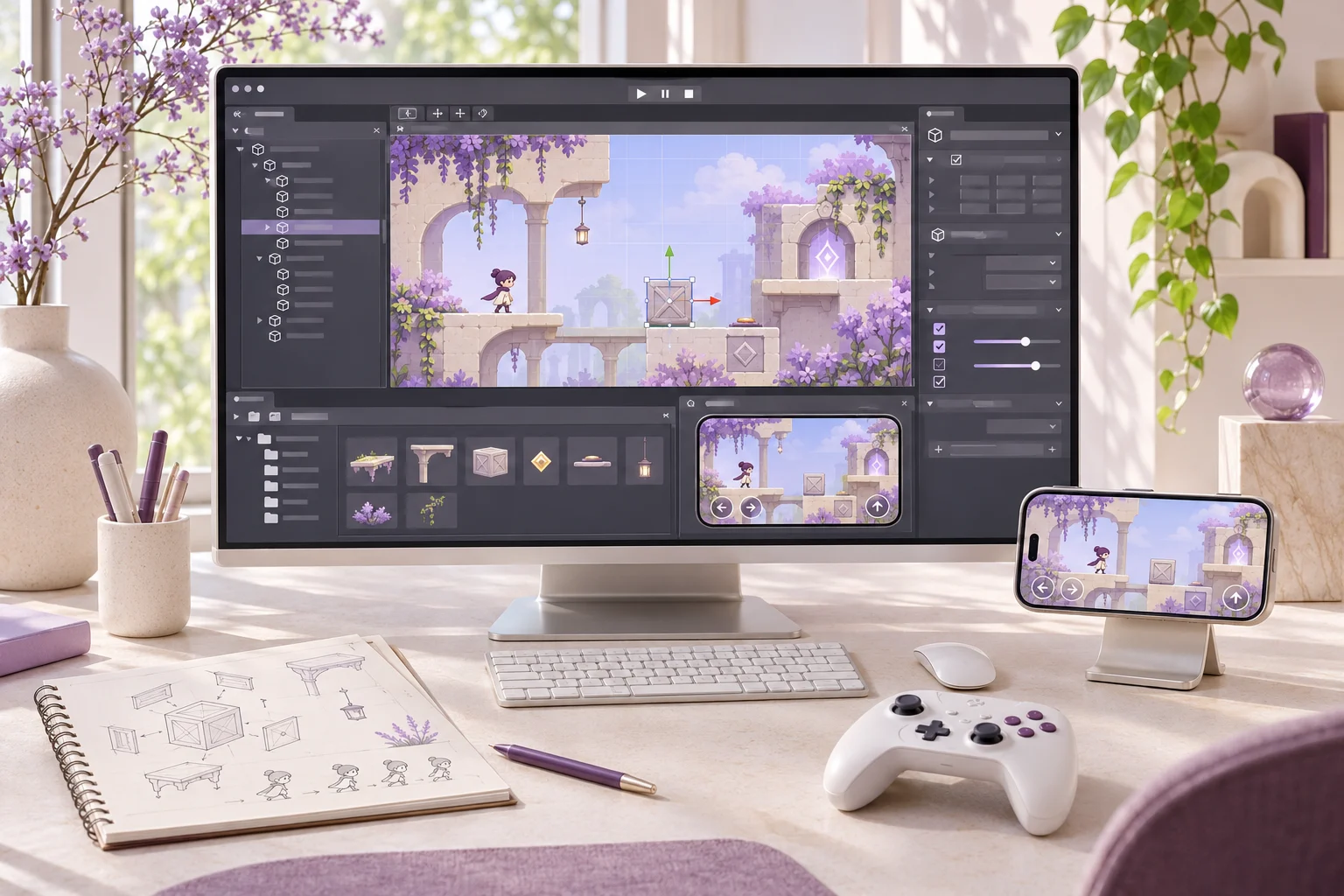
Develop 2D or 3D gameplay, interactive applications and simulations in Unity. Plan the scene structure, asset workflow and target-device performance alongside the interaction design.
A clear scope. Tangible work. A team ready for what comes next.
Agree reusable components, scene ownership and asset conventions. Separate gameplay logic from presentation where that helps iteration and testing.
Test memory, loading, rendering and input on representative hardware. Review the built application rather than relying only on the editor experience.
From the first question to the next release, every step has a purpose.
Define the problem, map constraints and agree on what the first release needs to prove.

Map the systems and integrations, then decide where to build, connect or reuse.

Deliver in increments, review working software and build testing and security checks into the release process.

Plan deployment, monitoring and handover before the system goes live.

Help your team operate the system, resolve issues and plan the next release.

The scope can include 2D or 3D games, interactive applications and simulations. Agree the target platform, interaction and content needs first.
Yes. Review the engine version, packages, scene organization and asset pipeline before planning changes.
Profile representative builds on target hardware. Review rendering, memory, loading and input alongside the feature work.
Yes, when the selected devices and required interactions are supported. Confirm the headset or mobile platform and test setup during scoping.
Include the project source, dependency and build instructions, relevant asset rights, operating notes and known issues.
Contact
Tell us what you’re working on and where you need engineering support.