 Enterprise software
Connecting legacy systems without a full rewrite
Start with one high-value data flow. Define a stable interface around the existing system, then migrate consumers one at a time.
Enterprise software and integrations
When different systems disagree about the same record, teams compensate with exports and manual checks. Establish a reliable data contract around one high-value workflow.
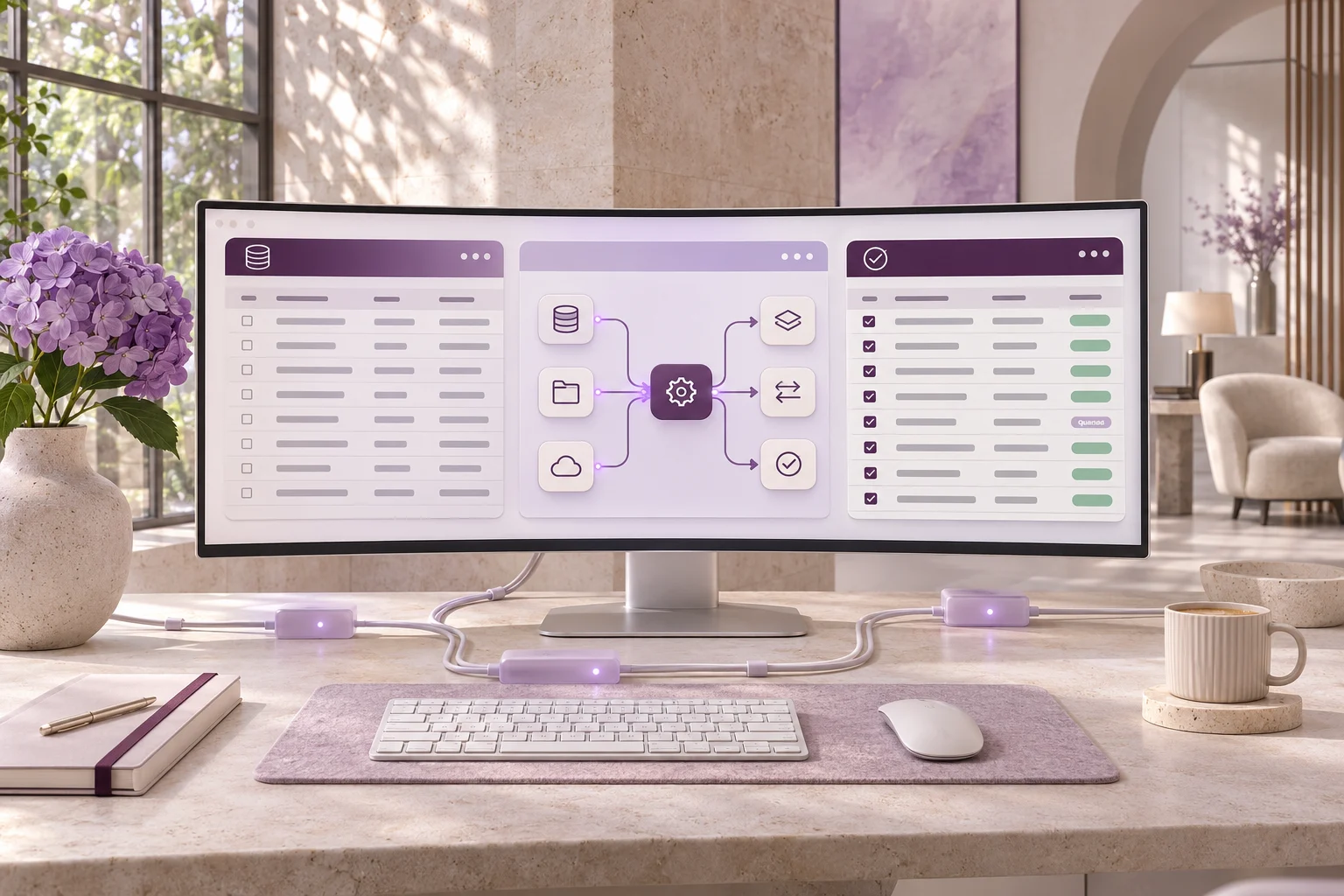
A clear scope. Tangible work. A team ready for what comes next.
From the first question to the next release, every step has a purpose.
Define the problem, map constraints and agree on what the first release needs to prove.

Map the systems and integrations, then decide where to build, connect or reuse.

Deliver in increments, review working software and build testing and security checks into the release process.

Plan deployment, monitoring and handover before the system goes live.

Help your team operate the system, resolve issues and plan the next release.
 Enterprise software
Start with one high-value data flow. Define a stable interface around the existing system, then migrate consumers one at a time.
 AI automation
Put review before irreversible actions. Give reviewers the evidence and tool activity they need to make a decision.
AI automationChoose a workflow, define what the agent can do, and measure whether it saves work before rolling it out.
Yes. Start with one data flow, put a stable interface around it, and verify it alongside the existing process before moving consumers over.
Identify which system can make authoritative changes to each record. Document how other systems receive updates and resolve conflicts.
Give each event a durable identifier and let receivers check whether they already processed it.
A queue can help when the receiving system is temporarily unavailable or handles work at a different rate. Define monitoring and safe retries with it.
Give them the record identifier, the failed step, and its status. Include a clear action for retrying or escalating the exception.
Contact
Tell us what you’re working on and where you need engineering support.